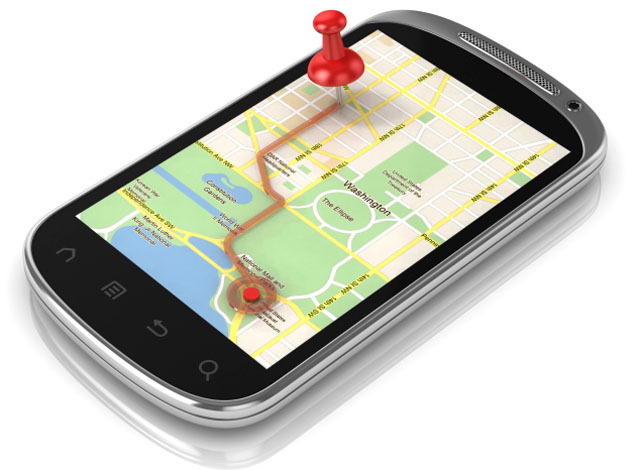
Cell Phone GPS tracking can prove useful in many walks of life. On the other hand, there are many concerns when it comes to the otherwise helpful cellphone apps. The major concern for most is privacy. Who has access to our information and how does privacy rights co-exist with the use of rapidly evolving technologies? As most people carry their mobile phone with them at all times, the ability is in place to track the exact movements of all individuals at any given time. For these reasons the FCC has instructed that wireless network providers provide the cell phone GPS tracking location information for 911 calls which have been made by callers. This is known as E911. In essence, this is no different than a 911 call made from a landline, as the land line is registered to an address and the relevant emergency services can be quickly dispatched to that address. However, where the difference occurs is that a property does not move, whereas a GPS phone is registering the day-to-day movements of an individual. This has given rise to the privacy concerns of who can access such private information. The relevant law relating to E911 is fairly explicit. It allows carriers to provide tracking location information to third parties for E911 emergency calls only, however not under any other circumstances whatsoever without the consent of the mobile phone owner. These events will ensure that the advantages of cell phone GPS tracking will not be compromised by privacy issues in the future.
 Charles Westphal